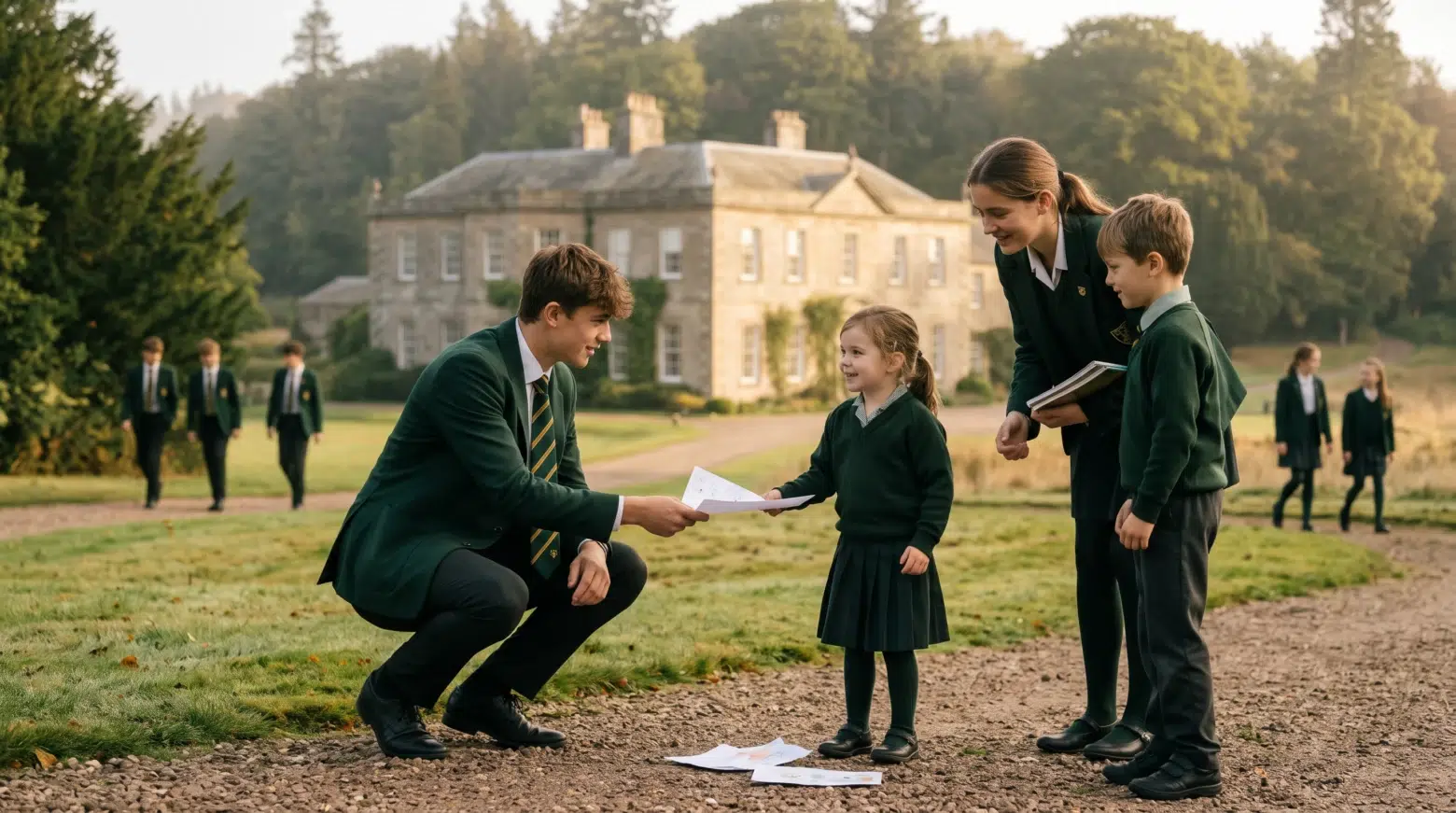
Pastoral care at Brackenmoor means your child is known by name by adults who notice when something changes. Every pupil has a form tutor who sees them every morning and is the first person parents talk to. Around the tutor sit heads of year, house staff and the senior team, so help never depends on one person being in school. Every Year 7 pupil has a Sixth Form mentor to read with and ask for help. The Wellbeing Hub has two counsellors, a school nurse and a wellbeing dog called Bramble, and pupils can drop in or book a time, in confidence. Small worries are usually picked up early, with a quiet word or a call home.
Who looks after your child?
The form tutor is the starting point. They take the register, check in, and pass on anything that matters. Around them sit heads of year, house staff and the senior team, so nothing depends on one person being in school that day.
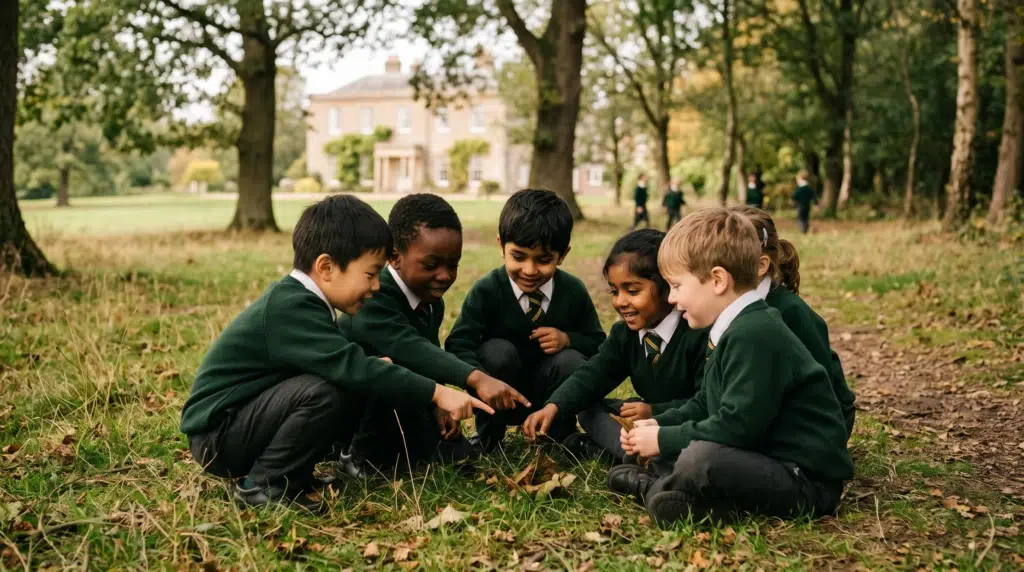
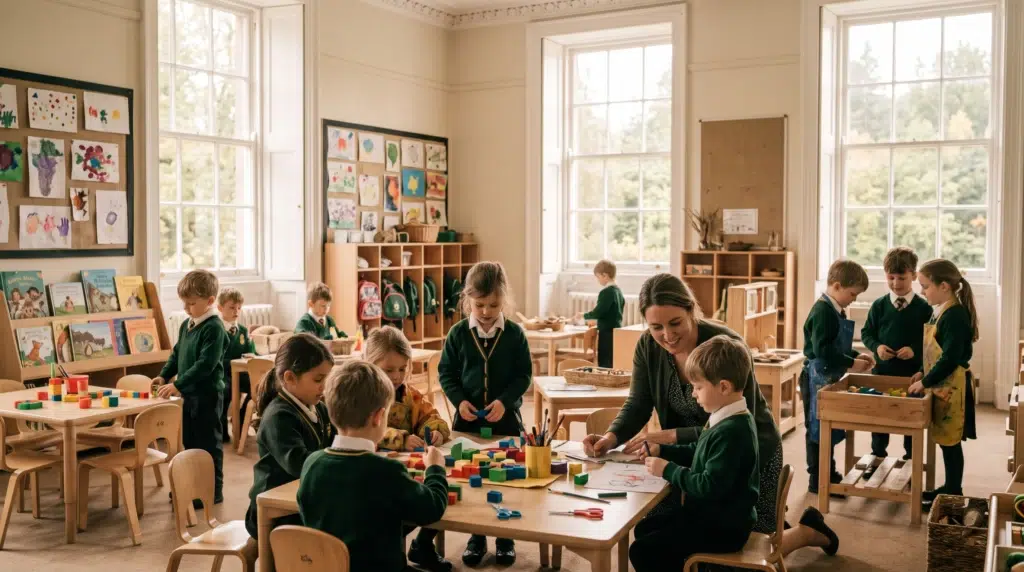
In Little Brackenmoor Nursery and Pre-Prep, the key adult is the class teacher and teaching assistant. They know the routines your child likes, who they sit with at lunch and how they say goodbye at the door.
What does pastoral care look like day to day?
It looks ordinary, and that is the point. A quiet word at the end of a lesson. A seat found at break. A Year 7 reading with their Sixth Form mentor. A tutor ringing home before small worries grow.
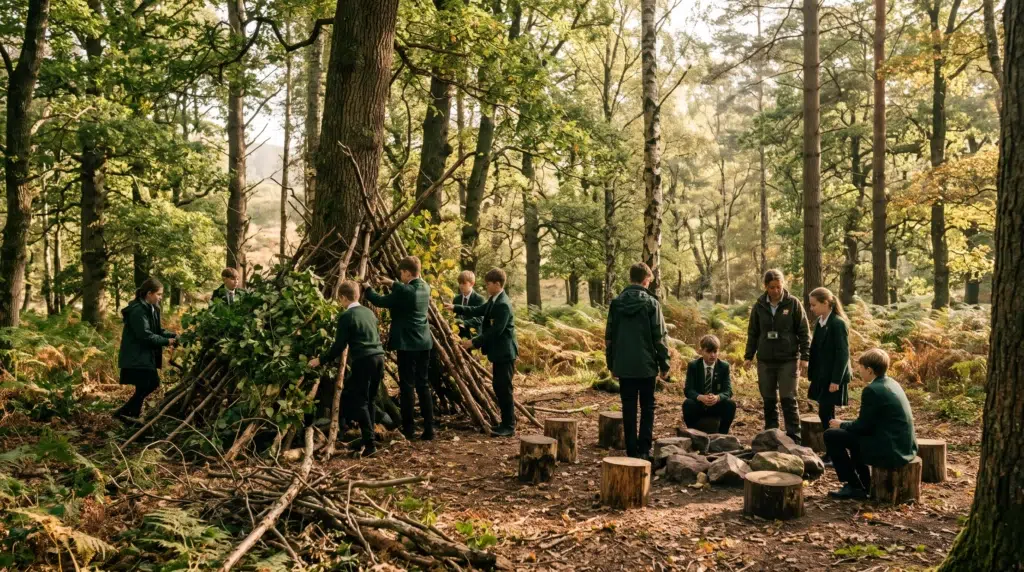
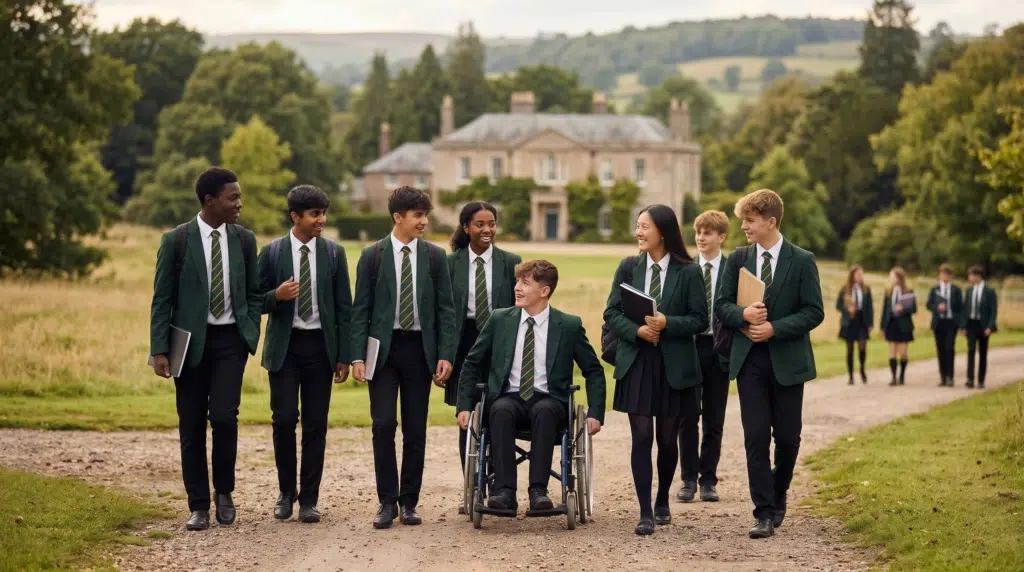
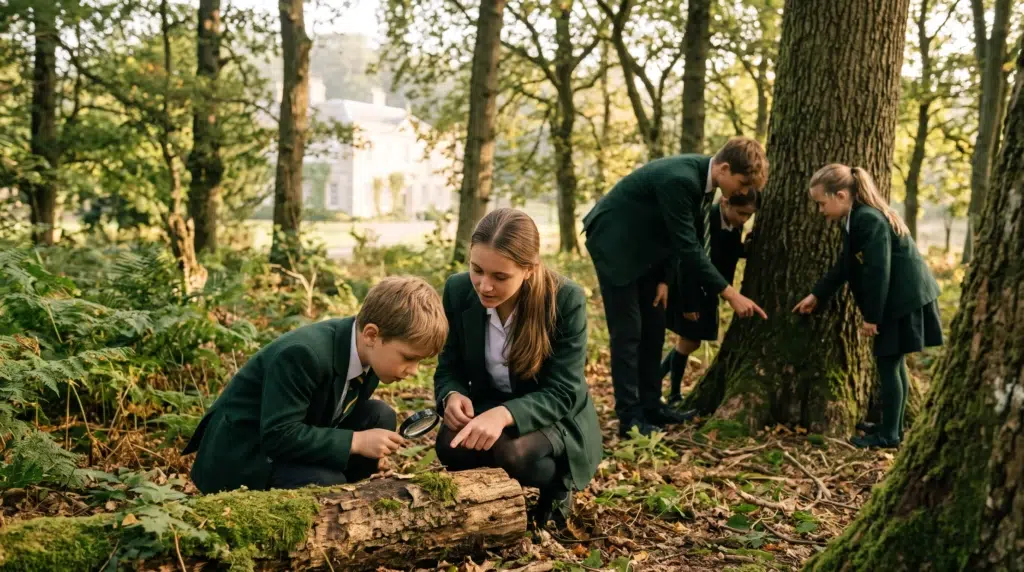
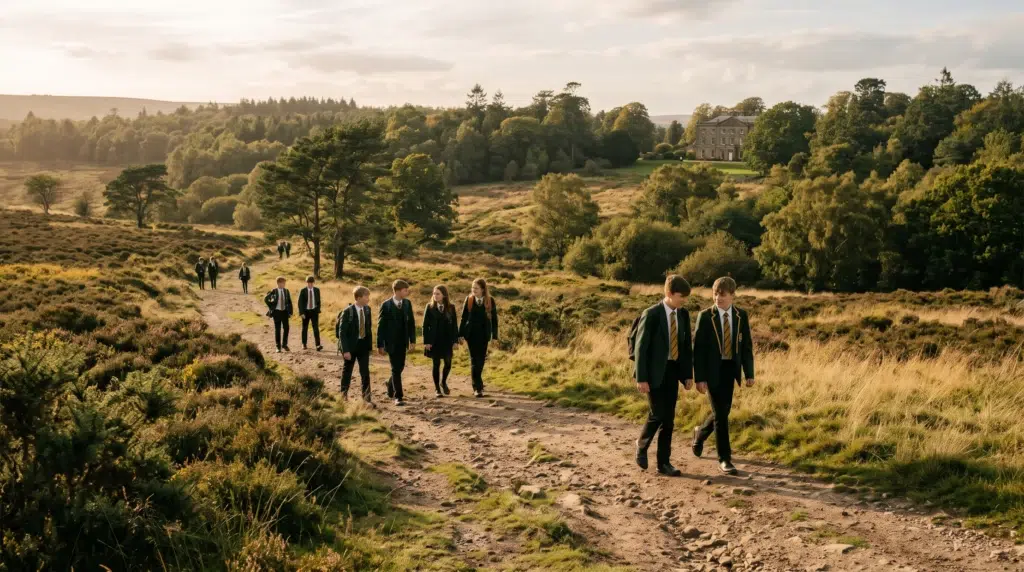
Assemblies and tutor time cover friendships, online life, sleep, revision and looking after each other. Older pupils take on real responsibility for younger ones, which is where kindness and service stop being words on a wall.
Wellbeing and mental health
Some children need more than a conversation with their tutor. Brackenmoor can arrange further support in school and will talk to you first about what that looks like and how long it might run.
If a pupil is struggling with work rather than mood, the pastoral and learning support teams talk to each other, so your child is not asked to explain themselves twice.
Kindness, behaviour and bullying
Pupils are expected to be kind. When they fall short, staff deal with it quickly, tell parents, and follow it up rather than filing it away. You can read the school’s safeguarding, behaviour and anti-bullying policies in full.
Working with parents
Call or email the form tutor first — they will know your child best. You are also welcome to speak to the head of year or the Head.
Older pupils, younger pupils
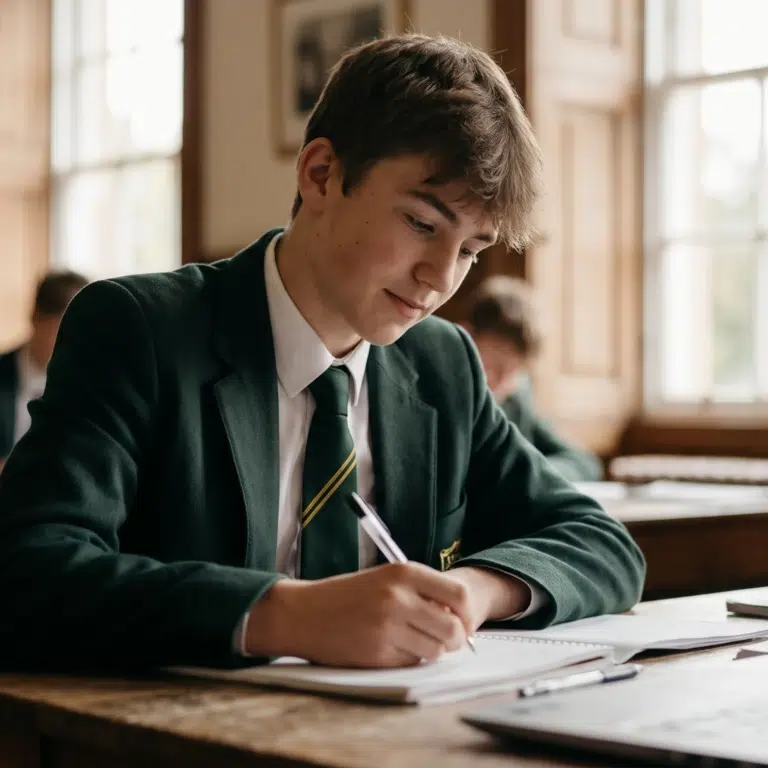
Sixth Formers are paired with pupils in Year 7 as mentors. They read together, talk through homework and answer the questions a 11-year-old would rather not ask an adult.
It helps the younger child settle. It also teaches the older one how to look after someone else, which is harder, and more useful, than it sounds.
Come and see it on an ordinary school day.